


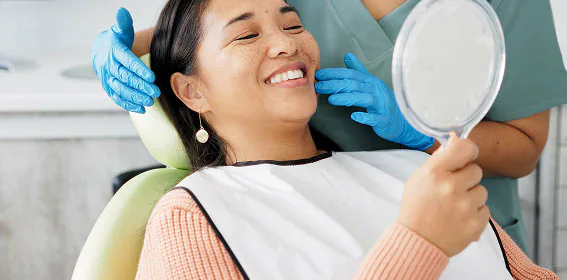
Welcome to the office of Dr. Sumeet Kaur Family Dentistry, where compassionate care meets modern dentistry in a calm, spa-like environment designed entirely around your comfort.
Proudly serving Rocklin, CA, and surrounding communities, our practice is known for delivering attentive, personalized service that helps every patient feel genuinely welcomed, heard, and at ease from the very first visit. Our team is here to guide you every step of the way, so your journey to a healthier smile feels comfortable, supported, and refreshingly simple from day one.
What to Expect During Your First Visit
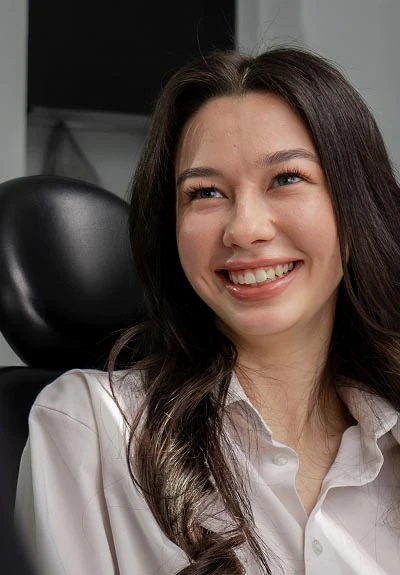 New patients at Dr. Sumeet Kaur Family Dentistry can expect a warm welcome and a comfortable, personalized experience. We take pride in the soothing environment we've cultivated for our practice, designed for our patients' peace of mind. Whether you're visiting for preventive care or a more complex procedure, our team will guide you through every step, so you'll always know what to expect.
The first time you visit us, we'll provide a comprehensive dental exam, including any necessary digital X-rays and a thorough evaluation of your teeth and gums. We'll review your health history and your treatment goals, and discuss any concerns you may have about receiving dental care. The information we gather during your new patient exam will help us design a customized treatment plan that suits you best.
Our Elevated, Comforting Amenities
From your first visit and beyond, every detail of your experience is thoughtfully designed to help you feel relaxed, supported, and completely at ease. We offer in-house sedation dentistry for those who experience dental anxiety, as well as a calming, spa-like environment that helps take the stress out of dental care. Our gentle, attentive team is always nearby to check in, answer questions, and ensure your comfort throughout your visit. It’s all part of creating a more peaceful, personalized experience, so you can feel confident and cared for at every step.
Our Commitment to You
We believe patient education is an essential part of exceptional dental care. You’ll receive clear, thoughtful explanations about your oral health, recommended treatments, and preventive options, so you always feel informed and empowered in your decisions. We encourage open conversation and welcome your questions. Our goal is to build lasting relationships grounded in trust, comfort, and a shared commitment to your long-term oral health.
Schedule Your First Visit Today
 Dr. Sumeet Kaur and her team are honored to welcome you to our practice and are committed to making your first visit feel comfortable, seamless, and at ease. To allow for a relaxed, unhurried experience, we recommend arriving about 15 minutes early for your new patient visit. This gives you time to settle in and complete any necessary paperwork at your own pace. Please bring your insurance information, a list of any medications you’re currently taking, and any questions or concerns you’d like to discuss. We’re here to listen.
If you experience dental anxiety or have specific needs, we encourage you to let us know in advance. Our team is always happy to personalize your visit with thoughtful accommodations to ensure your comfort every step of the way. From the moment you arrive, our focus is on you: your comfort, your goals, and your experience.
Contact us today to schedule your first visit – we look forward to caring for your smile!


